THE TOLL
Most deaths of any industry
Of 126 workers killed in work-related accidents in Great Britain in 2025/26, 25 worked in construction, more than any other industry.
See the numbers doodleconstructer
WHAT THE HSE FIGURES SHOW
On building sites, most deaths start with a fall.
53% of deaths were falls
53% Construction deaths that were falls from height
Health and Safety Executive figures for Great Britain show construction has more worker deaths than any other industry, and falls from height cause over half of them. The law's answer is a simple order: avoid, prevent, minimise.
THE SHORT ANSWER
One industry, one kind of accident.
HSE statistics keep pointing to the same place.
THE TOLL
Of 126 workers killed in work-related accidents in Great Britain in 2025/26, 25 worked in construction, more than any other industry.
See the numbersAVOID
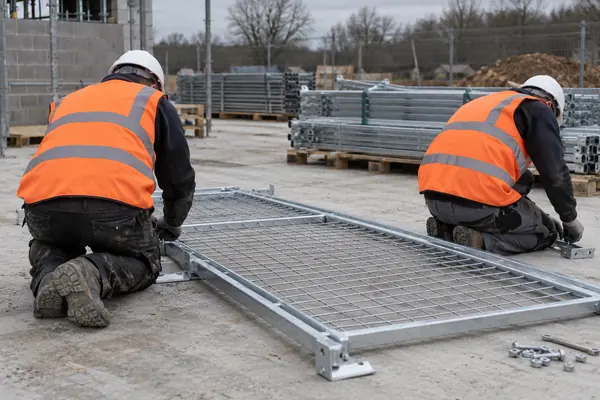
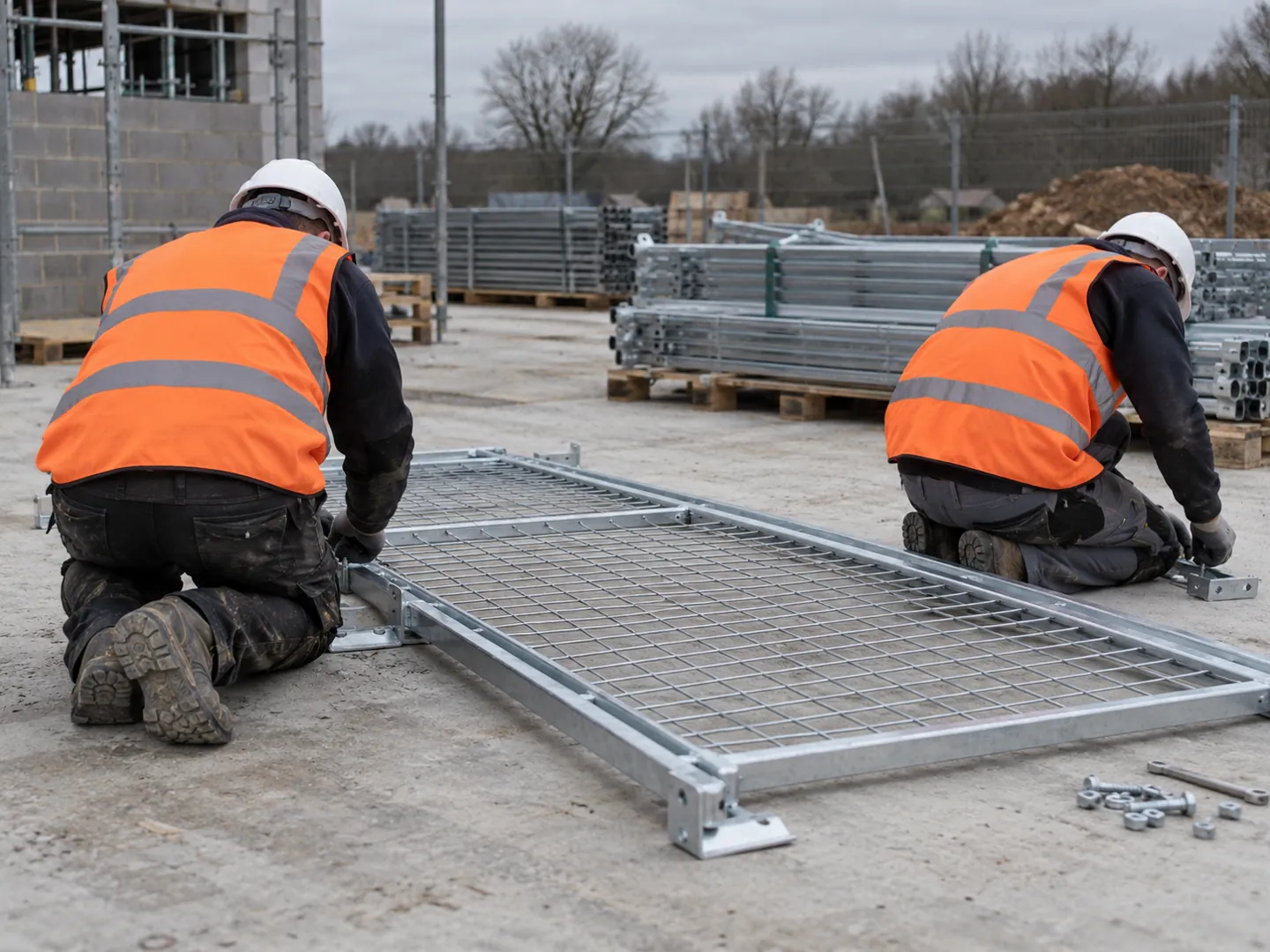
HSE's first step is to avoid work at height where reasonably practicable, for example assembling edge protection at ground level.
The order of stepsMINIMISE
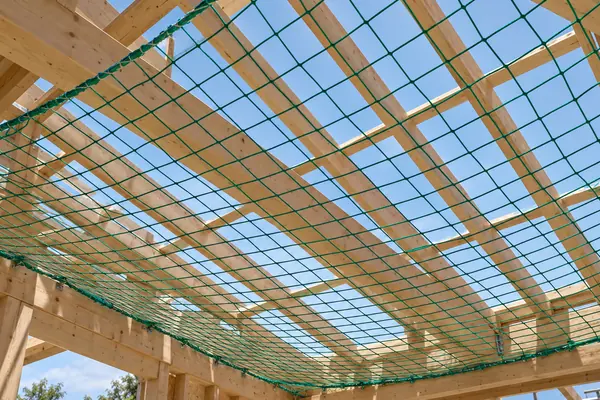
If a fall risk remains, the law asks for measures to minimise the distance and consequences, such as safety nets or air bags close to the work.
How sites do itGeneral information only, not legal advice. For advice on your own situation, speak to a qualified lawyer or a free advice service.
THE ORDER OF STEPS
Pick a measure to see where it sits in HSE's guidance for work at height. The bar shows how far it goes towards removing the risk.
Based on HSE's Working at height: a brief guide (INDG401). General information, not legal or safety advice.
FOUR HABITS ON SITE
HSE lists a handful of things the law expects whenever work at height is planned. Most are about thinking ahead rather than buying kit.
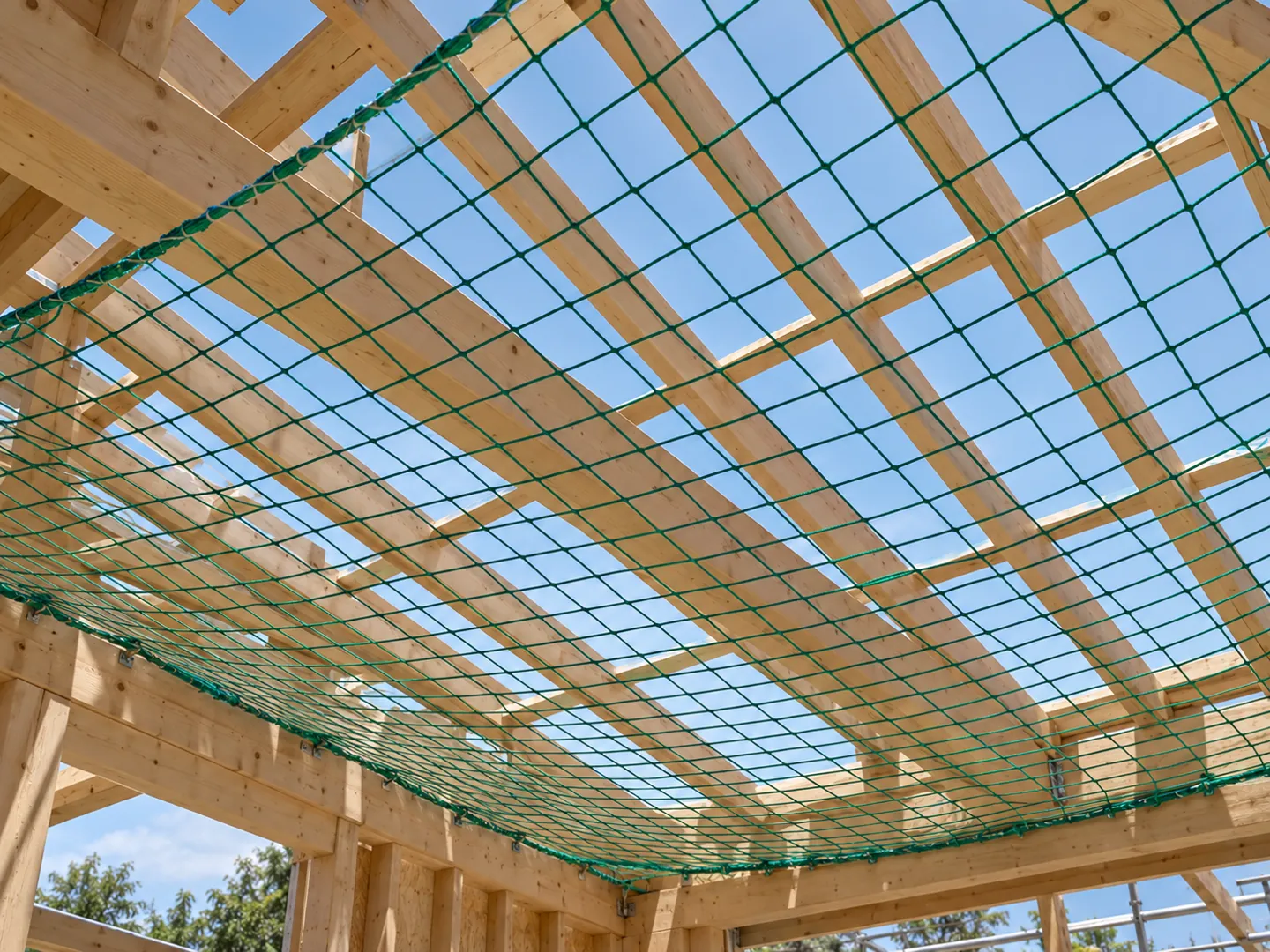
Each place where people will work at height must be checked before every use, and weather conditions taken into account.
Roof lights, fibre cement sheets, corroded metal and old slates are likely to be fragile. Falls through fragile roofs are among the most common causes of death.
Use mesh on scaffolds or exclusion zones so bricks and tools cannot injure people below, and store materials safely.
Agree emergency and rescue procedures in advance. HSE says not to rely entirely on the emergency services.
TWO NUMBERS WORTH KNOWING
One figure on what kills construction workers,
one on how the risk compares.
53%
Construction deaths that were falls from height
Over the five years 2020/21 to 2024/25, 53% of construction worker deaths in Great Britain were classed as falls from a height. There were 35 deaths in 2024/25, against an average of 40 a year.
CAUSE OF DEATH · HSE
4.8× higher
Construction rate vs all industries
The fatal injury rate in construction is 1.92 per 100,000 workers, around 4.8 times the rate for all industries. The sector is about 6% of Britain's workforce.
FATAL RATE · HSE
Across all industries in 2025/26, falls from a height were again the most common kind of fatal accident to workers, at 31 deaths. The 2025/26 figures are provisional until July 2027.
BEYOND FALLS
HSE estimates about 50,000 construction workers a year reported a non-fatal injury at work, averaged over 2022/23 to 2024/25, around 2.5% of the sector, significantly higher than the 1.8% across all industries.
An estimated 79,000 construction workers had work-related ill health over the same period, and 53% of those cases were musculoskeletal disorders.
Questions
HSE says it is work anywhere a person could fall far enough to be hurt if there were no precautions: on a ladder or flat roof, near a fragile surface, or beside an opening in a floor or a hole in the ground.
No. HSE says ladders and stepladders are not banned and can be sensible for low-risk, short-duration tasks, but they should not automatically be the first choice.
It is the order HSE sets out for work at height: avoid it where reasonably practicable, prevent falls with a safe place or the right equipment, and minimise the distance and consequences of any fall that could still happen.
Guard rails are collective protection: they protect everyone without anyone needing to act. A harness only works if the wearer fits and connects it correctly, so HSE puts collective measures first.
Employers and anyone who controls work at height, such as contractors or building owners who hire others. Employees must take reasonable care and co-operate with their employer.
Updated
ABOUT THIS NAME
doodleconstructer.com is part of the DoodleSale portfolio. It isn't in an auction right now, but you can ask about leasing it.